
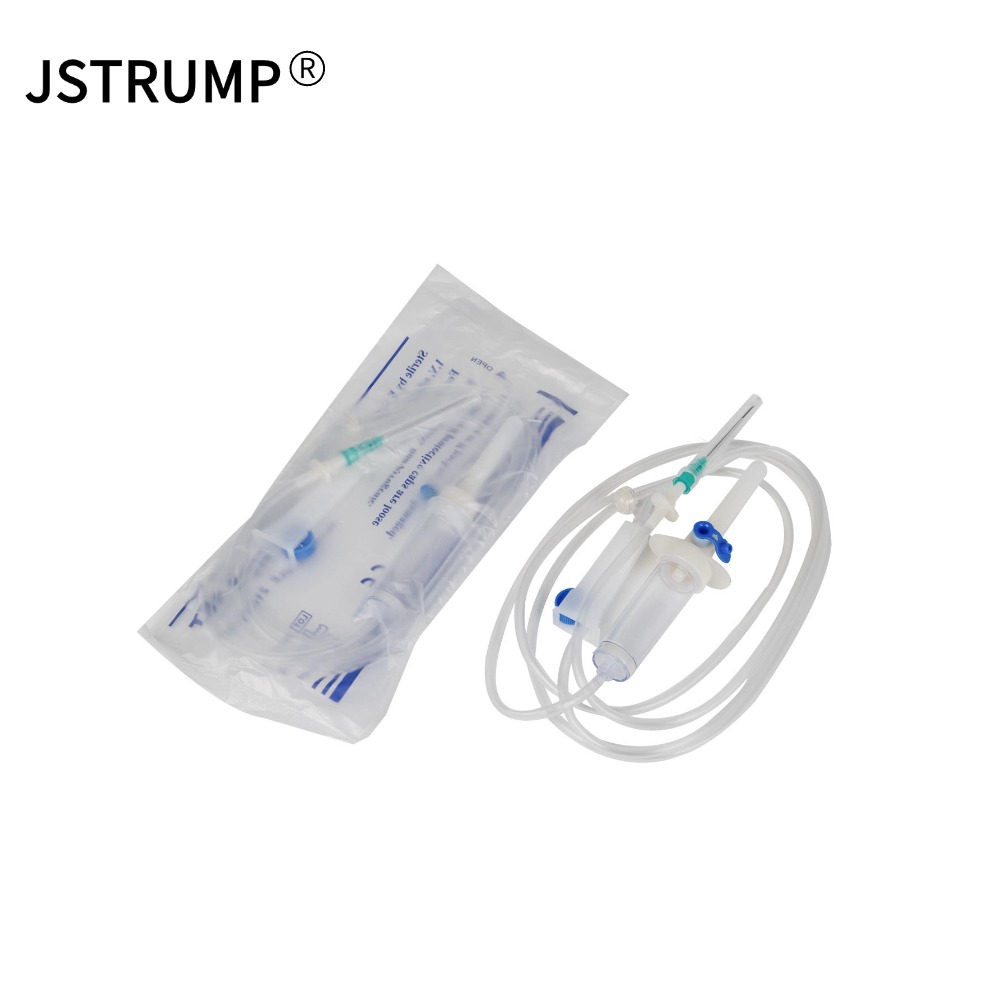
Long-term bulk procurement has become a core purchasing model for hospitals, distributors, laboratories, clinics, nursing homes, and other healthcare organizations seeking to improve supply stability while reducing total operating costs. In the medical consumables sector, where recurring demand is high and product specifications must remain consistent, bulk procurement can create substantial savings when it is managed with the right sourcing strategy, inventory control, quality standards, and contract structure.
This industry guide explains proven cost-saving strategies for long-term bulk procurement used across the medical consumables market. It covers definitions, purchasing benefits, procurement planning methods, product specification considerations, order consolidation tactics, supplier management approaches, and practical ways to reduce hidden costs. The content below is designed for SEO use on blog pages, category pages, product hub pages, and healthcare procurement resource sections. It focuses only on general industry information, not specific company recommendations.
Long-term bulk procurement refers to a purchasing strategy in which medical consumables are ordered in larger quantities over an extended contract period. Instead of placing frequent small orders, buyers negotiate ongoing supply arrangements for items such as gloves, masks, syringes, gauze, dressings, catheters, drapes, specimen containers, and other disposable healthcare products.
In this model, the buyer and supplier define product specifications, forecast demand, agree on pricing terms, and establish delivery schedules that support stable replenishment. The primary goal is to achieve a lower total cost of ownership while maintaining product quality, regulatory compliance, and uninterrupted availability.
Medical consumables are high-frequency, low-to-mid value items that are used in large quantities every day. Because demand is continuous and inventory turnover is fast, small inefficiencies can multiply into major expenses. Poor procurement practices can lead to overstocking, stockouts, emergency purchases, freight waste, quality issues, and administrative burden.
A well-designed bulk procurement strategy helps healthcare organizations and trade buyers control procurement costs, improve planning accuracy, and reduce purchasing complexity. When executed properly, it can support both operational efficiency and budget predictability.
| Procurement Challenge | Common Impact | Why It Increases Cost |
|---|---|---|
| Frequent small orders | High admin workload and repeat logistics fees | Unit price and shipping cost are often higher |
| Unstable demand forecasting | Overbuying or stockouts | Leads to waste, rush orders, and lost efficiency |
| Product variation | Multiple SKUs for similar items | Raises complexity and reduces buying leverage |
| Short-term buying behavior | No pricing continuity | Misses contract discounts and volume rebates |
| Poor supplier coordination | Delayed deliveries or inconsistent quality | Triggers replacement costs and operational disruption |
One of the most effective cost-saving strategies for bulk medical consumables procurement is to standardize product specifications wherever clinically and operationally possible. Standardization reduces SKU complexity, simplifies supplier communication, improves purchase consistency, and increases order volume per item.
For example, instead of sourcing multiple glove thicknesses or numerous similar dressing sizes, procurement teams may consolidate demand into fewer approved options. This improves volume leverage and reduces inventory fragmentation.
Order consolidation is a major source of savings in long-term medical consumables procurement. Instead of placing many small shipments, buyers can combine multiple items into one planned shipment or use scheduled replenishment. This reduces transport fees, packaging waste, and receiving labor.
Consolidation is especially valuable for distributors, hospital networks, and multi-site healthcare organizations that consume a wide assortment of consumables across departments.
| Method | How It Works | Cost-Saving Effect |
|---|---|---|
| Monthly bulk shipments | One larger delivery per month | Lower freight and receiving frequency |
| Multi-item bundled orders | Several consumables shipped together | Improved logistics efficiency |
| Site-level aggregation | Demand from multiple departments combined | Better leverage on total quantity |
| Vendor-managed replenishment | Supplier plans shipment based on forecast | Reduces emergency ordering costs |
Accurate forecasting is central to long-term bulk procurement savings. Buying too much can cause expired inventory, storage pressure, and capital lockup. Buying too little leads to urgent replenishment, which usually costs more and disrupts operations.
Leading buyers use historical consumption data, seasonality trends, patient volume patterns, and department-level usage tracking to create more reliable demand forecasts. This allows better inventory planning and prevents unnecessary spending.
Long-term procurement contracts are often more cost-effective than spot purchasing. Suppliers are usually willing to offer lower unit pricing when the buyer commits to a stable purchase volume over an agreed period. In exchange, the supplier gains predictable demand and better production planning.
Contract terms may include fixed pricing, tiered discounts, quarterly reviews, annual rebates, or freight incentives. When structured well, these agreements can improve budget control and reduce price volatility.
| Contract Feature | Buyer Advantage | Procurement Value |
|---|---|---|
| Fixed unit pricing | Price stability | Supports budgeting and planning |
| Volume tiers | Lower rates at higher quantities | Encourages efficient ordering |
| Annual rebate | End-of-period savings | Rewards consistent purchasing |
| Freight inclusion | Reduced landed cost | Makes total spend more predictable |
A common procurement mistake is choosing the lowest quoted price without evaluating the full landed cost. In medical consumables sourcing, transportation, customs clearance, packaging, product loss, storage, and administrative costs all affect the true cost of ownership.
A slightly higher unit price can still be the better value if it includes better quality consistency, lower defect rates, shorter lead times, and reduced operational risk.
| Cost Component | Description | Why It Matters |
|---|---|---|
| Unit price | Base product cost | Primary pricing reference |
| Freight | Shipping and transport | Can significantly affect bulk order economics |
| Import duties/taxes | Cross-border charges | Impacts total procurement cost |
| Warehousing | Storage and handling | Increases with large inventory levels |
| Quality failures | Returns, replacements, downtime | Hidden but important expense |
While single-supplier dependence can reduce flexibility, excessive supplier fragmentation weakens volume leverage. A balanced approach is to develop a primary supplier for most volume and one or more backup suppliers for risk management.
This strategy protects procurement continuity while preserving the cost benefits of bulk purchasing. It is especially useful for consumables with critical usage, such as gloves, masks, infection control items, wound care products, and sterile disposables.
Packaging details can materially affect bulk procurement savings. Efficient packaging improves storage density, reduces shipping volume, lowers damage risk, and simplifies distribution. Buyers should consider carton size, pallet configuration, inner pack quantity, and shelf-ready packaging when evaluating suppliers.
Products with optimized packaging often achieve lower landed cost because more units can be moved and stored with less labor and fewer transport cycles.
Inventory carrying cost is often overlooked in bulk procurement. Even when the unit purchase price is low, excess stock can create real financial strain through storage space, capital tie-up, product aging, and disposal of expired items.
Successful buyers maintain healthy turnover by aligning ordering cycles with actual consumption and setting replenishment thresholds that prevent overstocking. This is essential for consumables with shelf-life limitations.
In medical consumables procurement, product quality directly affects cost efficiency. Low-cost products that fail performance requirements may increase wastage, replacements, complaints, and operational interruptions. Durable, stable, and well-controlled products often deliver better value in the long term.
Buyers should evaluate material consistency, process control, and performance stability rather than focusing only on pricing. For sterile and safety-related products, compliance and reliability are essential to avoid costly disruptions.
Category rationalization means reducing the number of product variants in each consumable category to the minimum needed for clinical and operational requirements. This approach simplifies the procurement catalog and improves spend concentration.
For example, if several similar wound dressing sizes or syringe styles are performing the same function, the procurement team may approve fewer options. This increases quantity per approved item and strengthens negotiation power.
When properly planned, long-term bulk procurement can deliver several strategic benefits beyond simple unit cost reduction. These advantages help healthcare buyers improve both financial control and supply performance.
| Advantage | Description | Business Impact |
|---|---|---|
| Lower unit pricing | Volume purchasing usually reduces per-item cost | Direct savings on recurring spend |
| Budget predictability | Contract pricing stabilizes future spend | Better financial planning |
| Reduced admin workload | Fewer purchase orders and less vendor management | Lower internal procurement cost |
| Improved supply continuity | Scheduled replenishment reduces stockout risk | Operational stability |
| Stronger supplier relationships | Long-term cooperation improves responsiveness | Better service and negotiation outcomes |
Many everyday healthcare supplies are ideal for long-term bulk procurement because of repeat consumption and standard specification requirements. Buyers usually achieve the best savings in categories with stable demand and low design complexity.
| Product Category | Typical Use | Bulk Procurement Benefit |
|---|---|---|
| Examination gloves | General patient care and infection control | Very high repeat demand |
| Face masks | Respiratory protection and hygiene | Easy to standardize and forecast |
| Syringes and needles | Injection and fluid handling | High volume with clear specifications |
| Gauze and bandages | Wound care and dressing | Recurring clinical usage |
| IV accessories | Infusion support | Stable demand across departments |
| Specimen containers | Laboratory collection and transport | Standard dimensions simplify sourcing |
| Catheters | Patient care procedures | Good for volume contracts |
| Disposable drapes | Surgical and procedural protection | Frequent replenishment needs |
A clear specification sheet helps procurement teams compare products across suppliers and reduce quoting errors. The following table provides a general framework that can be adapted for different categories of medical consumables.
| Specification Item | Example Requirement | Why It Supports Cost Saving |
|---|---|---|
| Material type | Latex, nitrile, polypropylene, cotton, PVC | Ensures product consistency and avoids mismatch |
| Size range | S, M, L, XL or standardized dimensions | Reduces excessive SKU variety |
| Packaging unit | 50 pcs/box, 100 pcs/box, bulk carton | Improves storage and shipping efficiency |
| Sterility requirement | Sterile or non-sterile | Prevents unnecessary premium costs |
| Shelf life | Minimum acceptable remaining shelf life | Reduces expiry-related losses |
| Compliance standard | Relevant medical and quality standards | Reduces quality and regulatory risk |
| Delivery schedule | Monthly, bi-monthly, quarterly | Balances inventory and freight costs |
To maximize savings, buyers should combine commercial negotiation with operational discipline. Bulk procurement works best when purchasing, warehousing, finance, and end users coordinate around the same demand assumptions and quality goals.
Procurement return on investment improves when the buyer reduces not only product price but also labor cost, logistics cost, inventory cost, and risk cost. In healthcare, the value of procurement is measured by continuity, compliance, and operational reliability as much as by direct savings.
By using long-term bulk procurement, organizations can reduce repeated sourcing work, avoid emergency buys, stabilize supply quality, and improve financial visibility. Over time, these efficiencies may create a stronger overall return than occasional spot purchases, even when the nominal price difference appears modest.
Not always. Bulk purchasing is usually cheaper when demand is stable and storage capacity is adequate. If products expire quickly or create high warehousing costs, the savings may be reduced. Buyers should always compare total landed cost and inventory carrying cost.
Items with steady demand, simple specifications, and repeat usage are usually the best candidates. Examples include gloves, masks, syringes, dressings, gauze, and many disposable care products.
Risk can be reduced by using clear specifications, maintaining backup suppliers, reviewing quality records, setting appropriate stock levels, and including service terms in the contract. Diversified sourcing for critical items is often wise.
There is no single factor for every buyer, but standardization and accurate forecasting are often among the most powerful. Together, they reduce waste, improve volume leverage, and support better contract terms.
The most effective cost-saving strategies for long-term bulk procurement shared by leading medical consumables manufacturers are built on a simple principle: reduce complexity, improve forecast accuracy, and optimize the total cost of supply. When healthcare buyers standardize specifications, consolidate orders, negotiate long-term pricing, and manage inventory carefully, they can significantly lower procurement costs without sacrificing quality or supply reliability.
In a market where medical consumables are essential to daily operations, procurement efficiency can directly influence budget performance and service continuity. For organizations seeking sustainable savings, long-term bulk procurement remains one of the most practical and scalable strategies available. The key is to focus on total value, not only unit price, and to build purchasing systems that support stable, repeatable, and cost-controlled supply.
```
Trang web này sử dụng cookie để đảm bảo bạn có được trải nghiệm tốt nhất trên trang web của chúng tôi.



 Điện thoại
Bình luận
(0)