
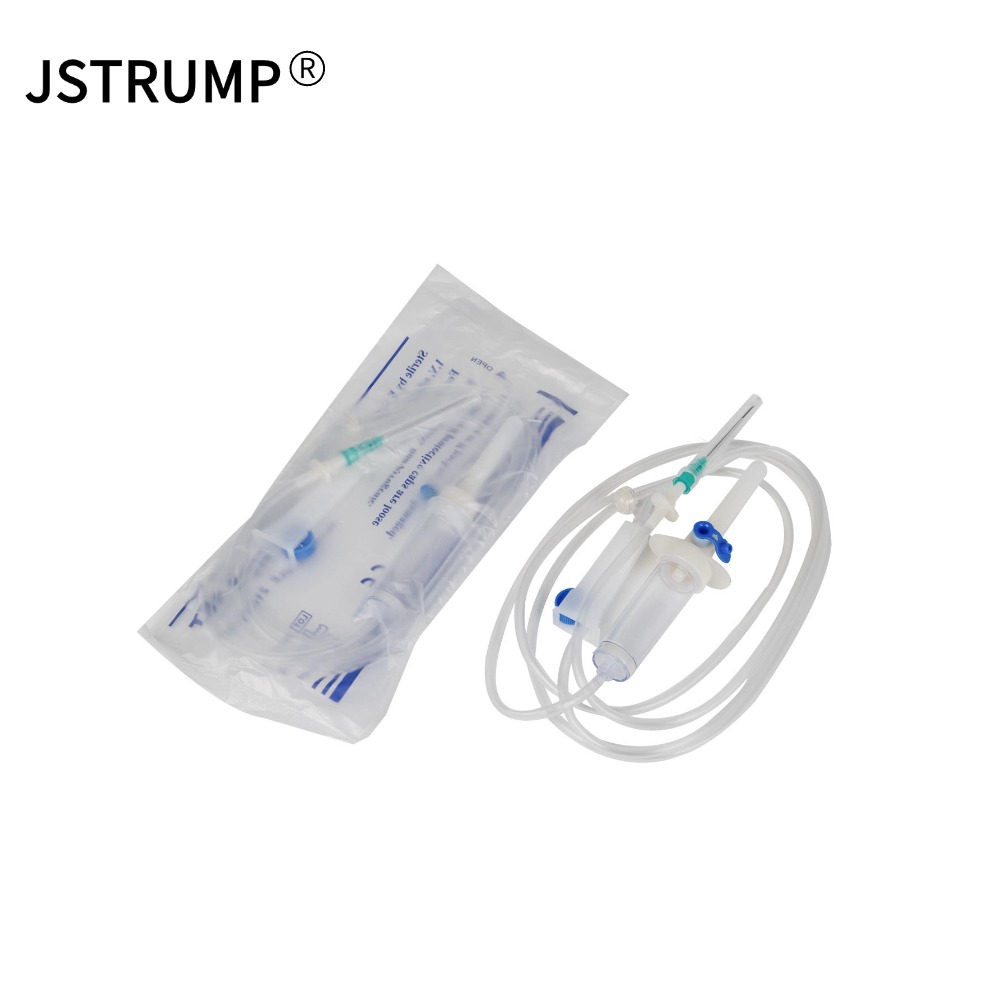
In today’s highly competitive healthcare supply chain, factories are under constant pressure to reduce the unit cost of disposable medical supplies without sacrificing safety, performance, or compliance. One of the most effective ways to achieve this goal is by optimizing the raw material formula used in production. By adjusting material ratios, improving blending techniques, and selecting cost-efficient yet reliable inputs, manufacturers can lower production expenses while maintaining the essential functions of disposable medical products.
This topic is highly relevant for buyers, distributors, procurement teams, healthcare operators, and industry researchers who want to understand how disposable medical supplies are engineered for cost efficiency. From medical gloves and masks to gowns, syringes, tubing, trays, and wound care items, raw material formula optimization plays a major role in determining final product quality, market price, and supply chain stability.
This article provides a clear, SEO-friendly overview of how factories optimize raw material formulas to cut unit cost of disposable medical supplies. It includes definitions, industry benefits, common raw material categories, cost-saving strategies, technical factors, and specification tables that can be used in blog posts, directory pages, category pages, or industry landing pages.
Raw material formula optimization refers to the process of adjusting the composition, ratio, and processing method of materials used to manufacture disposable medical supplies. The goal is to achieve the best balance between cost, performance, safety, durability, and regulatory compliance.
In practical terms, factories may change the percentage of polymers, additives, fillers, nonwoven fibers, elastomers, or sterilization-compatible compounds in order to reduce waste and lower the unit cost of disposable medical supplies. The process is not simply about using cheaper materials. It is about designing a stable formula that meets functional requirements at the most efficient possible cost.
For example, in disposable medical packaging, optimizing film thickness and resin blend may reduce material usage. In nonwoven products, adjusting fiber denier, bonding method, and layer structure may decrease cost while preserving comfort and barrier protection. In molded items, formula optimization can reduce cycle time, improve yield, and lower reject rates.
Disposable medical supplies are essential products used daily in hospitals, clinics, laboratories, nursing homes, emergency services, and home care environments. Because many of these items are consumed in large volumes, even a small reduction in unit cost can create significant savings over time.
Factories focus on cutting the unit cost of disposable medical supplies for several reasons:
In many cases, the raw material formula is one of the largest contributors to total manufacturing cost. That is why formula optimization is one of the most strategic methods for lowering the unit cost of disposable medical supplies.
Optimizing raw material formula delivers benefits far beyond simple cost reduction. It can improve production efficiency, reduce waste, and strengthen product consistency.
| Benefit | Description | Impact on Unit Cost |
|---|---|---|
| Lower Material Consumption | Reduces the amount of expensive input materials used per unit. | Direct cost reduction |
| Improved Yield | Reduces production losses, defects, and scrap. | Lower waste cost |
| Better Process Stability | Supports consistent molding, extrusion, coating, or forming. | Reduced rework and downtime |
| Enhanced Material Efficiency | Uses blended or engineered materials more effectively. | Better cost-performance ratio |
| Competitive Pricing | Allows factories to offer more attractive market prices. | Improved market position |
| Supply Chain Flexibility | Enables substitution of materials when shortages occur. | Reduced procurement risk |
Raw material formula optimization can be applied across a wide range of disposable medical supplies. Different categories require different material structures, but the cost-saving principle remains the same: use the right material in the right proportion for the required performance level.
| Product Category | Common Materials | Main Optimization Goal |
|---|---|---|
| Disposable Gloves | Latex, nitrile, vinyl, accelerators, plasticizers | Lower material cost while preserving elasticity and protection |
| Face Masks | PP nonwoven, meltblown, ear loop materials, nose bridge wire | Reduce layer cost while maintaining filtration efficiency |
| Isolation Gowns | Spunbond, SMS nonwoven, PE film laminates | Balance barrier performance, comfort, and cost |
| Syringes | PP barrel, rubber piston, silicone oil, stainless steel needle | Improve molding efficiency and reduce resin usage |
| IV Tubing | PVC, TPU, DEHP-free alternatives, connectors | Lower polymer cost without affecting flexibility |
| Medical Trays | PP, PET, PS, thermoforming sheets | Reduce sheet thickness and improve forming yield |
| Wound Care Products | Nonwoven fabrics, adhesives, absorbent pads | Cut material usage while preserving absorbency and comfort |
| Disposable Caps and Shoe Covers | PP nonwoven, elastic bands | Optimize fiber weight and reduce sewing or bonding cost |
Factories use a variety of methods to optimize raw material formula in disposable medical supplies manufacturing. These methods often combine engineering, testing, and procurement strategies.
One common strategy is to replace a high-cost material with a lower-cost material that provides similar performance. For example, a factory may shift from one polymer grade to another, or from a pure virgin material to a blend that includes recycled or regenerated content where regulations allow.
Another method is adjusting the proportion of key ingredients in the formula. Even small changes in ratio can lead to significant savings across large production volumes. Ratio optimization is especially important in multi-layer nonwoven, plastic molding, and elastomer-based products.
When product strength and performance remain acceptable, reducing thickness can lower material usage per unit. This approach is widely used in films, sheets, packaging, and molded disposable items.
Additives such as stabilizers, slip agents, colorants, anti-static compounds, and processing aids can improve performance, but excessive use increases cost. Optimizing additive dosage helps factories achieve the needed quality with less material expense.
A formula should not only be low-cost but also compatible with production equipment. Poor compatibility can increase downtime, waste, and defect rates. Factories often redesign formulas to improve flow, bonding, curing, or extrusion behavior.
Factories may source equivalent raw materials from different suppliers or regions. This strategy supports price competition, reduces supply risk, and can improve procurement flexibility.
To cut the unit cost of disposable medical supplies effectively, factories must understand the main cost drivers. Raw material formula is only one part of the equation, but it often has the strongest influence.
| Cost Driver | Effect on Manufacturing | Optimization Approach |
|---|---|---|
| Raw Material Price | Directly affects unit cost and gross margin | Substitution, sourcing, formula redesign |
| Material Waste | Increases cost per usable product | Yield improvement, thickness control, better mixing |
| Production Efficiency | Affects machine output and labor use | Formula compatibility and process tuning |
| Quality Rejection Rate | Raises scrap and rework expense | Stability testing and tighter formula control |
| Packaging Requirement | Influences material and logistics cost | Package design and material minimization |
| Compliance Requirements | May require premium-grade inputs | Use compliant but efficient materials |
The success of raw material formula optimization depends on technical performance requirements. A lower-cost formula is only useful if the product still passes quality, safety, and regulatory standards.
Factories must ensure that formula changes do not negatively affect any of these performance factors. For that reason, optimization is usually carried out through systematic testing rather than guesswork.
The table below shows a general reference structure for commonly used raw materials in disposable medical supplies. Actual specifications vary by product type, market regulations, and performance requirements.
| Material Type | Typical Form | Key Properties | Common Use Cases |
|---|---|---|---|
| Polypropylene (PP) | Pellets, spunbond, meltblown | Lightweight, cost-efficient, good chemical resistance | Masks, gowns, caps, packaging |
| Polyethylene (PE) | Film, resin, laminate layer | Flexible, moisture-resistant, economical | Aprons, packaging, protective layers |
| Nitrile Rubber | Compound, latex substitute | Good puncture resistance, latex-free | Disposable examination gloves |
| Natural Latex | Liquid and compounded form | Elastic, strong, comfortable fit | Surgical and examination gloves |
| PVC | Resin compound | Flexible, clear, low-cost | IV tubing, some medical components |
| PET | Sheet or film | Strong, transparent, formable | Trays, packaging, protective covers |
| SMS Nonwoven | Multi-layer fabric | Barrier protection, breathability, strength | Gowns, drapes, protective apparel |
| Absorbent Cellulose | Pulp, pad, composite layer | High absorbency, soft texture | Wound dressings, absorbent pads |
A well-optimized formula provides advantages for manufacturers, distributors, and end users. The main advantage is lower unit cost, but the broader effects are equally important.
Because disposable medical supplies are used in sensitive healthcare environments, quality control is essential. Formula optimization must always be followed by performance validation, inspection, and batch consistency checks.
Important quality control measures include:
Factories that optimize raw material formula without strong quality control risk inconsistent products, higher complaint rates, and compliance issues. Therefore, formula optimization should always be integrated into a broader quality management system.
The global disposable medical supplies market continues to evolve, and cost optimization remains a major trend. Factories are adopting more advanced methods to reduce the unit cost of disposable medical supplies while maintaining product reliability.
Current industry trends include:
Although formula optimization offers clear economic benefits, it also presents challenges. Factories must carefully manage these risks to avoid compromising safety or market acceptance.
| Challenge | Description | Risk to Unit Cost Reduction |
|---|---|---|
| Performance Loss | Cheaper materials may reduce product strength or functionality. | Higher reject rate or customer dissatisfaction |
| Regulatory Constraints | Some material substitutions may not be allowed in medical applications. | Limited formula flexibility |
| Process Instability | New formulas may behave differently in existing equipment. | Downtime and increased waste |
| Supply Fluctuation | Lower-cost materials may be less stable in availability. | Uncertain production planning |
| Quality Variation | Different suppliers may produce inconsistent raw material lots. | Inconsistent final products |
When evaluating disposable medical supplies, buyers should look beyond price and examine the material formula, performance standards, and production consistency.
| Specification Item | What to Check | Why It Matters |
|---|---|---|
| Raw Material Type | Polymer, nonwoven, latex, or composite structure | Determines base cost and performance |
| Material Ratio | Blend percentage and layer structure | Affects product function and unit cost |
| Thickness / Weight | GSM, film thickness, wall thickness | Directly impacts material consumption |
| Strength Performance | Tensile, tear, puncture, or burst strength | Needed for safe use |
| Barrier Performance | Fluid resistance or filtration capacity | Key for medical protection |
| Compliance Status | Relevant medical and quality standards | Essential for legal and clinical use |
| Batch Consistency | Stability across production lots | Supports reliable supply |
Factory optimizes raw material formula to cut unit cost of disposable medical supplies because the material formula has a direct effect on both product performance and manufacturing expense. By carefully adjusting material ratios, selecting efficient inputs, improving process compatibility, and controlling quality, factories can reduce production cost while continuing to deliver safe and reliable disposable medical products.
For the disposable medical supplies industry, raw material formula optimization is not just a cost-saving technique. It is a core strategy for competitive pricing, consistent quality, production efficiency, and supply chain resilience. Whether applied to gloves, masks, gowns, tubing, trays, or wound care items, smart formula design helps factories maintain strong market performance in an increasingly demanding global environment.
If you are building a blog post, industry page, category page, or directory listing around disposable medical supplies manufacturing, this topic offers strong SEO potential because it combines high-intent keywords such as factory optimizes raw material formula, cut unit cost, disposable medical supplies, raw material formula, and cost reduction. With the right structure, headings, tables, and keyword placement, this content can help support organic ranking and improve search relevance.
```
Trang web này sử dụng cookie để đảm bảo bạn có được trải nghiệm tốt nhất trên trang web của chúng tôi.



 Điện thoại
Bình luận
(0)